AI GPU Contingency Plan: A Quarterly Framework for APAC CIOs to De-risk Supply Chains
The AI roadmap for Asia-Pacific CIOs is fundamentally a geopolitical document. With 83% of APAC enterprises reporting GPU lead-times exceeding 180 days, relying on an AI stack locked to a single high-performance GPU vendor introduces a significant, revenue-blocking liability. The mandate is clear: organizations must shift from reactive firefighting to proactive processor-risk management.
Apply the Centralize. Consolidate. Control. methodology to your AI hardware strategy. Start by mapping every workload against processor-risk tiers so autonomous systems and critical analytics survive supply-chain reconfigurations. The outlook for Asia-Pacific tech hinges on this level of strategic foresight.
A Quarterly Checkpoint Framework for GPU Resilience
Quarter 1: Centralize and Audit AI Workloads
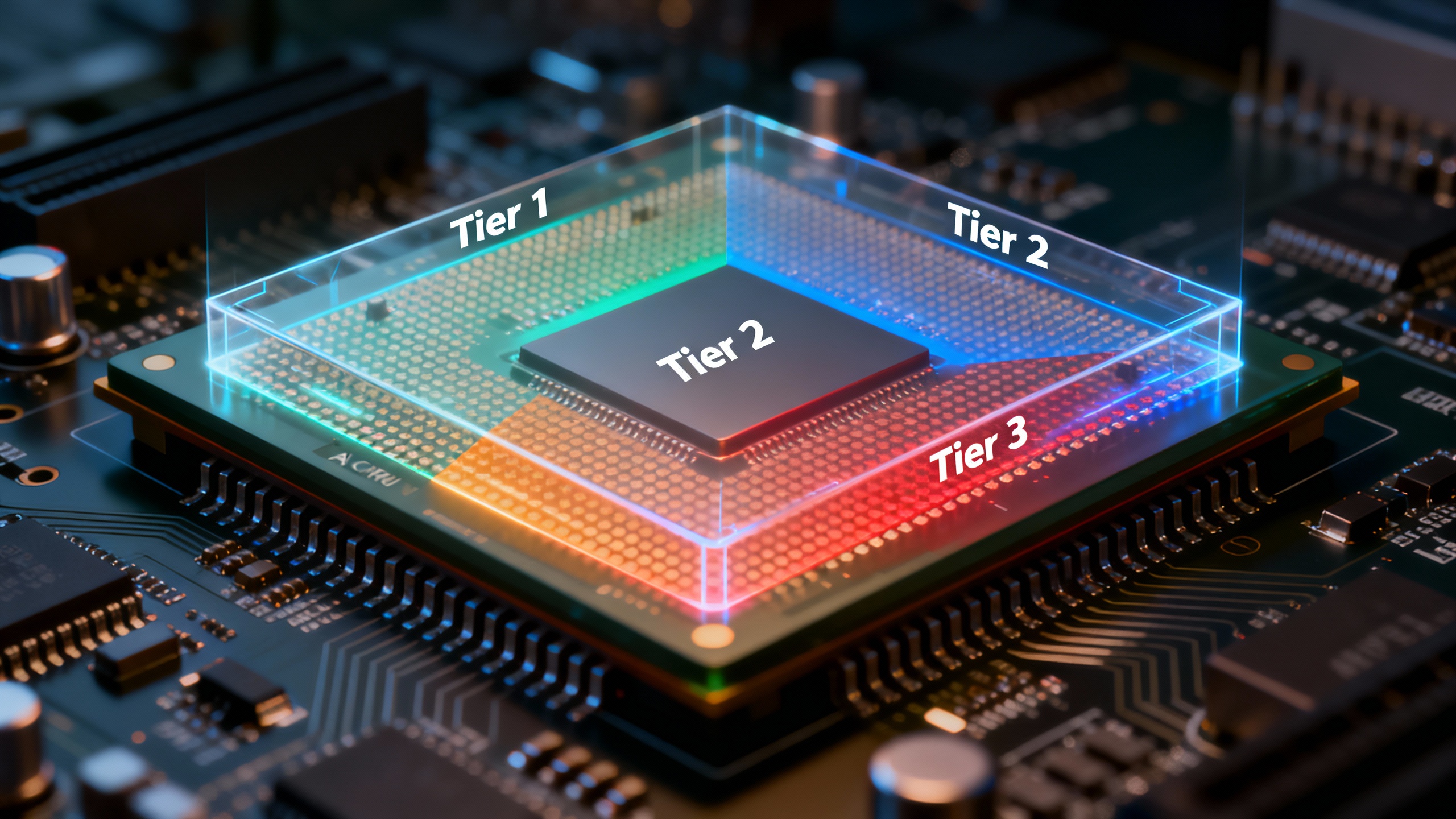
Establish a single, comprehensive inventory of every ML workload, spanning from sandbox environments to production. Tag each workload based on its current hardware dependency (e.g., NVIDIA H100, A800) and classify them into three distinct risk tiers:
- Tier 1 (Mission-Critical): Includes real-time autonomous decisioning, high-frequency trading (HFT) engines, and customer-facing inference. These workloads demand zero tolerance for performance degradation.
- Tier 2 (Business-Critical): Encompasses large-model training, core business intelligence (BI), and RAG pipelines. These have moderate flexibility for hardware changes.
- Tier 3 (Operational Support): Covers internal analytics, batch jobs, and R&D sandboxes. These possess a high tolerance for alternative silicon or performance shifts.
Quarter 2: Consolidate Market Intelligence
Systematically aggregate data on viable alternative processors. While a quality gap persists in some areas, U.S. export controls are rapidly accelerating the development of domestic and regional options.
Actively track competitors like Huawei’s Ascend series and emerging players such as Moore Threads. Crucially, create objective performance benchmarks specifically aligned to your Tier 2 and Tier 3 workloads to guide evaluations.
Quarter 3: Control via Piloting and Abstraction
Begin the migration of Tier 3 workloads to the most promising alternative GPUs identified in Quarter 2. Use these pilots to institutionalize operational know-how and, critically, to build vendor-agnostic abstraction layers. Decoupling your software stack from specific silicon turns a potential geopolitical crisis into a routine technical pivot.
Quarter 4: Review and Refine
Conclude the cycle by re-assessing the current geopolitical landscape, analyzing the results of the pilot programs, and reviewing updated silicon roadmaps. Use these insights to update procurement contracts and refine the overarching AI strategy, ensuring the next quarterly cycle starts from a higher baseline of resilience.
By institutionalizing this quarterly loop, APAC CIOs can effectively escape single-vendor vulnerability, ensuring their critical AI investments remain revenue-accretive—regardless of future shifts in the global trade climate.